A flag register dedicated to quality and safety
Haiti International Ship Registry is a flag register dedicated to quality, safety and continuous progress. Comprehensive fleet vetting, technical oversight and manning requirements ensure compliance with international maritime safety and security standards.
Checked before the flag is granted
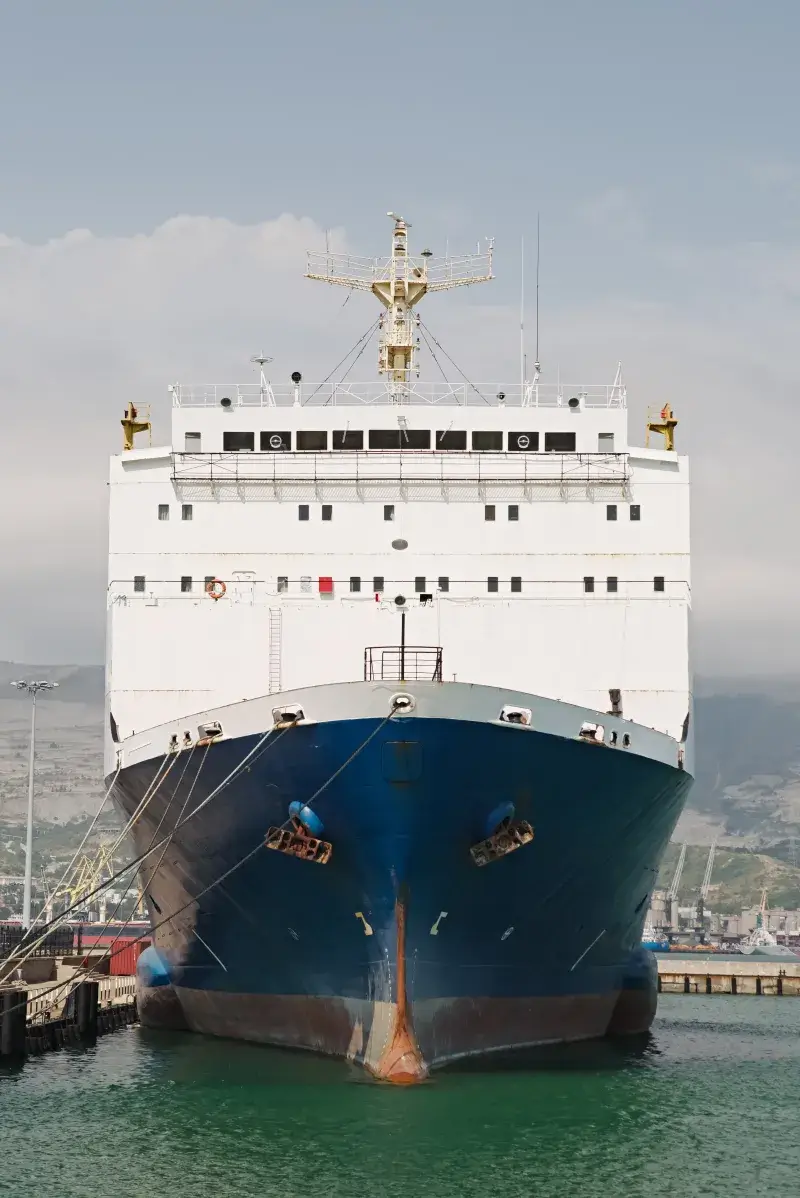
HISCR maintains a comprehensive fleet vetting policy covering ship history checks and due diligence. The vetting process ensures every vessel meets the highest safety and security standards before it is registered — and continues to be monitored after it is.
Comprehensive Due Diligence
Complete vessel history verification and safety record assessment.
The vetting process includes
- Ship history and ownership verification
- Port State Control inspection records
- Safety management system evaluation
- Insurance and financial standing review
- Pre- and post-registration monitoring
- Sanctions screening process

The organisations that survey for us are audited by us
A Recognized Organization acts on the flag's behalf. That makes its standards the registry's standards — which is why the network is monitored, audited and measured rather than simply appointed.
Recognized Organization Monitoring
Continuous oversight of classification societies
HISCR maintains rigorous oversight of every Recognized Organization and classification society authorised to act on its behalf, so safety standards are applied consistently across the whole fleet.
- Performance assessment — regular evaluation of RO performance and compliance
- Audit programmes — systematic auditing of RO procedures and standards
- Quality control — continuous monitoring of survey quality and consistency
- Regular review of the registry's record in key Port State Control MOU regions
Classification Society Oversight
Ensuring technical standards compliance
Oversight extends to every classification society working with HISCR-flagged vessels, ensuring they hold the highest technical standards and follow established procedures consistently.
- Technical competency verification
- Survey procedure standardisation
- Reporting and documentation requirements
- Continuous professional development
- Performance metrics and KPIs
Due diligence and monitoring, as an operating activity
As part of its operating activities, the Haiti International Ship Registry implements due diligence and monitoring for every vessel on the register.
Fleet Vetting & History Checks
Pre- and post-registration checks and monitoring, with sanctions screening on every vessel and owner.
RO Performance Oversight
Oversight of delegated Recognized Organizations and class societies, reviewed against Port State Control performance.
IMO Requirements Interpretation
Interpretation of IMO requirements and the resolutions that flow from them, applied consistently across the register.
Marine Circulars
Publication of marine circulars, advisories and guidance notices to owners, operators and Recognized Organizations.
Performance Analytics
Regular review of registry performance in the key Port State Control regions.
Authorized Organizations
Only pre-approved classification societies may perform statutory surveys on HISCR vessels.
The right crew for the ship and the trade she is in
During registration HISCR reviews and allocates the appropriate manning composition — ship-specific, for officers and crew — according to the vessel's particulars and intended trading pattern, taking into account the requirements of STCW as amended, and ILO and IMO principles.
MSM Assessment Process
Each vessel is assessed individually, considering operational requirements, level of automation and safety systems.
Assessment factors
- Vessel type and operational profile
- Trading area and voyage duration
- Automation and bridge systems
- Safety equipment and procedures
- Crew competency and experience
Reference: IMO principles on the safe manning of ships — Assembly Resolution A.1047(27)
Appropriate Manning
Vessels on the register must be appropriately manned in compliance with the applicable international and national provisions.
STCW Compliance
Seafarers on Haiti-flagged ships must be adequately trained and certified for their functions and assigned shipboard duties under the STCW Convention, as amended.
MSM Certificate Issuance
Once manning requirements have been allocated, the relevant Minimum Safe Manning Certificate is issued.
Compliance framework
STCW Convention Compliance
All manning requirements adhere strictly to the Standards of Training, Certification and Watchkeeping for Seafarers.
- Certification requirements for all crew positions
- Watchkeeping standards and rest-hour compliance
- Training and competency verification
ILO Maritime Labour Convention
Manning decisions take account of International Labour Organization standards for seafarers' working and living conditions.
- Working time and rest period requirements
- Accommodation and recreational facilities
- Health and safety protection standards
IMO Safety Regulations
IMO safety conventions guide every manning decision, for the safety of the vessel and the protection of the environment.
- SOLAS Convention safety requirements
- MARPOL environmental protection standards
- Load Lines and tonnage considerations
Authorized Organizations
Pre-approved onlyOnly pre-approved classification societies may perform statutory surveys on HISCR vessels. See the full list and the authorization process.
Aligned with the bodies that set the standard
Registry operations follow the conventions and labour standards that port authorities the world over measure a flag against.
IMO
Registry operations aligned with IMO conventions on safety, security and pollution prevention.
ILO
Maritime labour standards applied through the Declaration of Maritime Labour Compliance.
Qualship
Quality-first flag administration: risk-based screening, fleet vetting and detention monitoring.
Ready to register under the Haiti flag?
Talk to the registry about vessel registration, seafarer certification or a transparent quotation for your fleet. Support is available worldwide, 24/7.